Five is the number. Once you have five or more overdue parking tickets in Boston, your car goes on the boot list, and from that point it can be booted and then towed at any time. Tickets become overdue 21 days after they are issued, so the clock is longer than most drivers think. Clear the balance before the fifth ticket ages, and the boot never comes.
How a car lands on the boot list
A parking ticket in Boston becomes overdue 21 days after it is issued. Overdue tickets are what count toward the boot list, not tickets you got yesterday. When five or more of your tickets are overdue, the car is eligible for the boot.
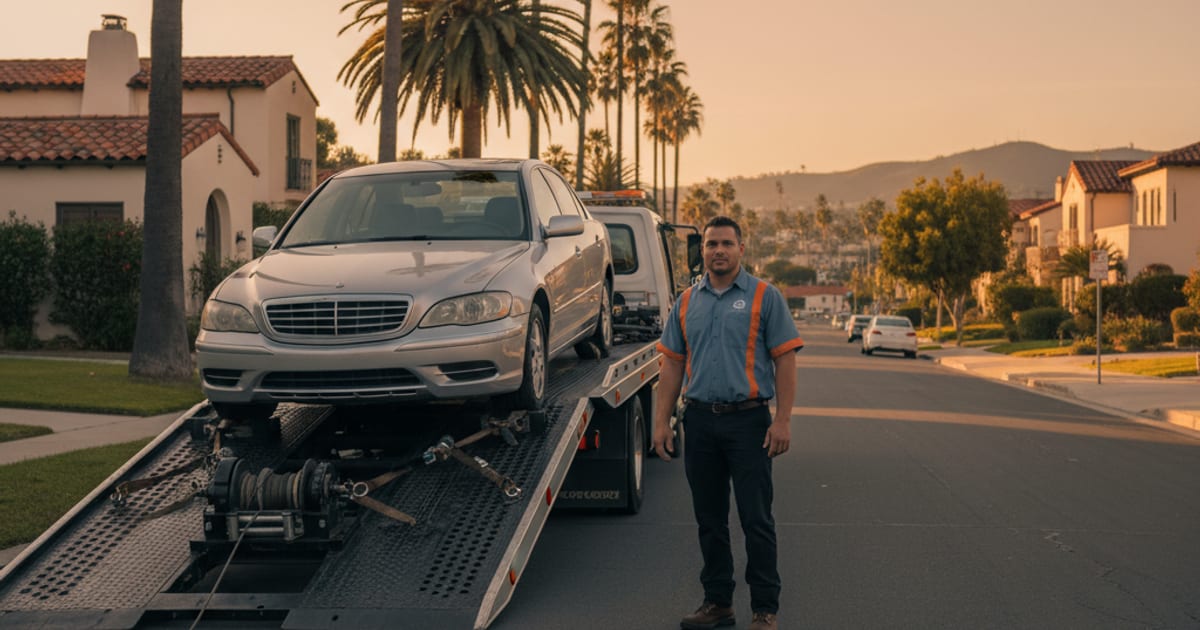
Once a boot goes on, the car is immobilized where it sits. If it is not resolved, the car can then be towed to the city lot at 200 Frontage Road, and now you are paying the boot release, the tow, and daily storage on top of the original tickets.
The real cost of ignoring tickets
The tickets themselves are the cheap part. Let five go overdue and the bill stacks: the ticket balances, a boot release fee, the $90 city tow if it is towed, and $3 per hour of storage up to $15 per day. A card payment at the lot adds a 2.5% processing fee.
The city runs boot and tow enforcement actively, so a car with a stack of overdue tickets parked on a public street is exposed every day it sits. The safest move is to never reach five overdue.
How to get off the list
Pay or formally dispute the tickets before they pile up. The Parking Clerk handles ticket balances and boot questions, reachable at 617-635-4410 or [email protected]. If you believe a ticket is wrong, request a hearing rather than letting it go overdue, because an unpaid disputed ticket still ages toward the boot.
If the car is already booted, contact the Parking Clerk to arrange payment and release. If it has been towed, you will retrieve it from 200 Frontage Road with the standard four documents: a valid driver’s license, your plate number, proof of active registration, and proof of insurance.
How tickets pile up in Boston
Most drivers who hit five overdue tickets did not collect them all at once. They accumulate from the everyday enforcement the city runs constantly: street cleaning from April through November, expired meters, resident-permit zones where a Back Bay sticker does not cover South Boston, and snow emergencies that ban parking on posted arteries. Each of those is a separate ticket, and each ages to overdue at 21 days.
A street-cleaning ticket that already came with a $108 private tow can still sit unpaid and count toward the boot later. So can a snow-emergency ticket. The boot list is where all of that enforcement eventually converges, which is why clearing tickets promptly, rather than by category, is what keeps a car off it.
Staying clear for good
Keep your address current with the RMV so ticket notices actually reach you, since a ticket you never saw still goes overdue at 21 days. Handle each ticket within that window, whether that means paying or requesting a hearing. If you drive an older car you rarely move, check it for tickets, because a car sitting on the street can collect them without you noticing until the boot appears.
Frequently asked questions
How many tickets before Boston boots my car? Five or more overdue parking tickets. A ticket becomes overdue 21 days after it is issued.
How long until an unpaid ticket counts? Twenty-one days after issuance. Before that it is not overdue and does not count toward the boot list.
Can they tow a booted car? Yes. Once on the boot list the car can be booted and then towed at any time, ending up at the city lot at 200 Frontage Road.
Who do I call to clear a boot? The Boston Parking Clerk at 617-635-4410 or [email protected], to arrange payment and release.
When to call us
Call when the car is released but needs a tow because it will not run, not to clear tickets or a boot. Quick Tow Boston connects drivers with independent operators across Greater Boston, with the price quoted before dispatch. Calls are recorded after a notice. Reach the dispatch line at (857) 858-5057.