Storrow Drive and Memorial Drive are car-only parkways with low bridges around nine feet, and a rental box truck that stands eleven to thirteen feet does not fit. When a truck drives onto them anyway, it strikes a bridge, peels open its roof, and blocks the road. Locals call it getting “Storrowed”. It happens most on September 1, and if it happens to you, the first calls are 911 and a heavy-duty tow.
Why these two roads are different
Storrow Drive, along the Boston bank of the Charles, and Memorial Drive, on the Cambridge side, are parkways built for passenger cars. Both ban trucks, and both carry a series of low stone overpasses with clearances around nine feet.
A typical moving truck rented for a local move stands eleven to thirteen and a half feet tall. The math does not work. GPS routing that ignores the truck restriction sends drivers onto the parkway, the clearance signs go by fast, and the truck wedges under or shears its top off at the first bridge.
Why September 1 is peak season
Boston runs on a single lease calendar. An estimated 70 percent of city leases turn over on September 1, and more than 150,000 students move in and out around that date. The city calls it Allston Christmas, after the piles of discarded furniture, and it turns Allston, Brighton, and Fenway into a maze of moving trucks.
Storrow strikes cluster on that day because so many first-time truck drivers are on the road near BU, near the parkway on-ramps, and unfamiliar with the restriction. Strikes happen the rest of the year too, but September 1 is the day the parkway earns its reputation.
What to do if you Storrow a truck
Stop safely and turn on the hazards. A stuck or damaged truck on a parkway is a road-blocking incident, so call 911 first. The State Police manage these corridors, and the road may need to close while the truck is cleared.
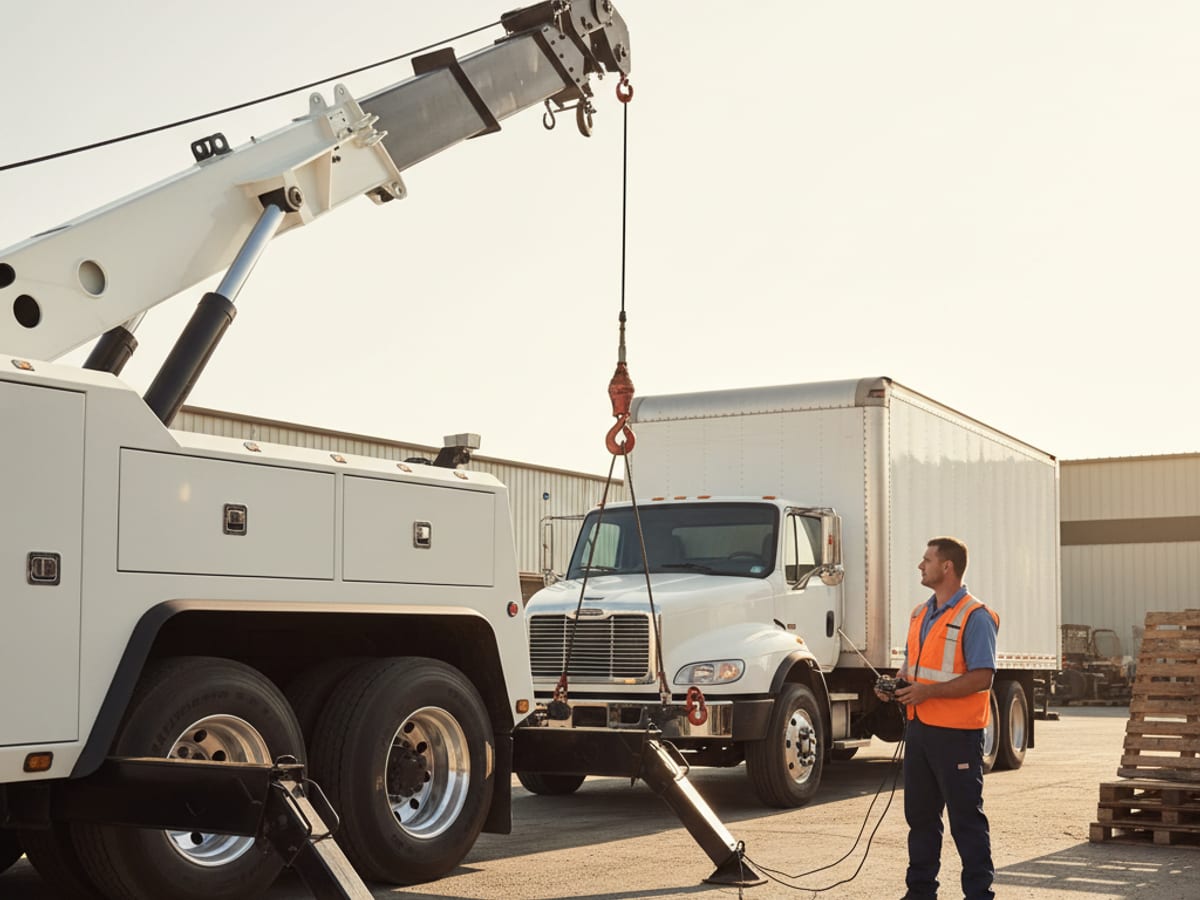
Do not try to reverse out from under a bridge or force the truck through, because that turns a roof strike into structural damage to the bridge and the truck. A box truck that has hit a bridge needs a heavy-duty tow, not a standard hookup, so tell dispatch it is a large truck and describe the situation. If you rented the truck, call the rental company too, since the damage and recovery involve their vehicle.
How to avoid it entirely
Do not take a truck onto Storrow Drive or Memorial Drive, ever. Both are posted, both ban trucks, and there is no version where a moving truck belongs on them.
Set your navigation to truck mode or enter the vehicle height so it routes you off the parkways. Around a September 1 move, plan the route in advance on surface streets, watch for the low-clearance signs, and know that Allston, Brighton, and Fenway also have temporary parking restrictions in the days around move-in. A city moving permit is required on most streets, and without it the truck itself risks a ticket or a tow.
Frequently asked questions
What does “Storrowed” mean? It is Boston slang for a truck that hits one of the low bridges on Storrow Drive or Memorial Drive. Both roads ban trucks and have clearances around nine feet.
Why do so many trucks get Storrowed on September 1? Roughly 70 percent of Boston leases turn over that day and more than 150,000 students move, so the roads fill with unfamiliar drivers in tall rental trucks.
What do I do if my truck is stuck under a bridge? Call 911 first, because the State Police manage these parkways and may need to close the road. A bridge-strike truck needs a heavy-duty tow, so describe the vehicle and situation to dispatch.
Can I just back the truck out? No. Reversing or forcing it can worsen the damage to both the truck and the bridge. Wait for the agency managing the road and a heavy-duty operator.
When to call us
Call when a large vehicle needs recovery and you need a local heavy-duty operator matched to the job. Quick Tow Boston connects drivers with independent operators across Greater Boston, with the price quoted before dispatch. Calls are recorded after a notice. Reach the dispatch line at (857) 858-5057, or read about heavy-duty towing.